


Why Decorative Lighting Is the Most Overlooked Design Element | Treviole
- treviolestudio

- May 25
- 3 min read

Discover why decorative lighting is one of the most important yet overlooked elements in interior design. Learn how the right lighting can completely transform your home.
The Missing Piece in Many Interior Designs
When decorating a home, most people focus on furniture, paint colours, flooring and accessories. While these elements are important, one design feature often receives far less attention than it deserves: decorative lighting.
Many homeowners choose lighting as a final step in the design process, treating it as a practical necessity rather than a key design element. However, professional interior designers know that lighting has the power to influence how a room looks, feels and functions.
In fact, decorative lighting is often the difference between a room that feels complete and one that feels unfinished.
Decorative Lighting Shapes the Atmosphere of a Room
One of the main reasons decorative lighting is so important is its ability to influence atmosphere.
The same room can feel warm and inviting, bright and energetic, or calm and relaxing depending on the lighting choices made. While furniture provides comfort and décor adds personality, lighting brings the entire space to life.
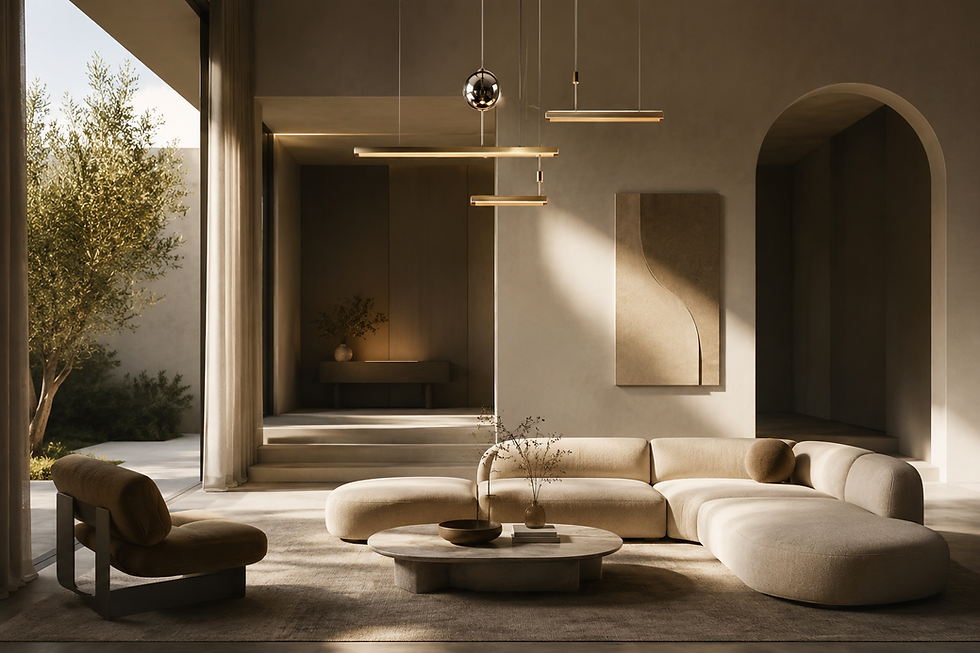
Pendant lamps, floor lamps and table lamps all contribute to the mood of a room by creating layers of light that add depth and visual interest.
Without decorative lighting, even the most beautifully designed interiors can feel flat or lacking in character.
Lighting Influences How We Perceive Space
Decorative lighting does more than illuminate a room. It also affects how we perceive the size and proportions of a space.
A well-lit room often appears larger, brighter and more welcoming. Strategic lighting can highlight architectural details, draw attention to focal points and create a stronger sense of balance.
This is one reason why interior designers carefully plan lighting layouts before selecting furniture and accessories.
By combining ceiling lamps, pendant lamps and accent lighting, designers can enhance the overall appearance of a room without changing its physical dimensions.
Decorative Fixtures Add Personality
Furniture and décor are not the only elements that express personal style.
Decorative lighting fixtures can become visual features in their own right. A striking pendant lamp above a dining table or an elegant table lamp on a sideboard can introduce shape, texture and character to a space.
Modern lighting designs are available in countless styles, materials and finishes, making it easier than ever to find fixtures that complement different interiors.
Rather than blending into the background, decorative lighting can become one of the most memorable aspects of a room.
Layered Lighting Creates a Professional Look
One of the techniques most commonly used by interior designers is layered lighting.
Layered lighting combines different sources of illumination to create a balanced and comfortable environment. This typically includes:
Ambient lighting for overall brightness
Task lighting for specific activities
Accent lighting for atmosphere
Decorative lighting plays a central role within this approach.
For example, a living room may feature a ceiling lamp for general illumination, a floor lamp beside a sofa and a table lamp on a side table. Together, these fixtures create a richer and more flexible lighting scheme.
Rooms that use layered lighting often feel more sophisticated and professionally designed.
Why Decorative Lighting Is Often Overlooked
Despite its importance, decorative lighting is frequently underestimated.
One reason is that people often notice furniture and colours before they notice lighting. Another is that lighting is commonly viewed as a practical requirement rather than a design opportunity.
As a result, homeowners may invest heavily in furniture while choosing lighting fixtures based solely on functionality.
Unfortunately, this can limit the overall impact of the design. Even beautiful interiors can feel incomplete if the lighting has not been carefully considered.
Recognising the role of decorative lighting is often one of the simplest ways to improve the appearance of a home.
How to Make Decorative Lighting a Priority
The best interiors consider lighting from the beginning rather than as an afterthought.
When planning a room, think about:
How the space will be used
Where focal points should be created
Which areas need additional light
How different fixtures can work together
Combining pendant lamps, floor lamps and table lamps can help create a balanced and welcoming environment while adding visual interest throughout the room.
Thoughtful lighting choices often deliver a greater impact than many decorative accessories or furniture updates.
Final Thoughts
Decorative lighting is one of the most powerful tools in interior design, yet it remains one of the most overlooked. It shapes atmosphere, influences how we perceive space, adds personality and helps create a more balanced environment.
Whether you’re redesigning an entire home or updating a single room, investing in decorative lighting can dramatically improve the overall result.
At Treviole, we believe lighting should be more than functional. It should enhance the way a space looks, feels and is experienced every day.


Comments