


How Interior Designers Use Lighting to Transform a Space | Treviole


Discover how interior designers use lighting to transform rooms. Learn how decorative lighting, pendant lamps, floor lamps and table lamps create balance, warmth and style.
Why Lighting Is Essential in Interior Design
Interior lighting design is one of the most powerful tools used by designers to transform a space. While furniture, colours and materials define the style of a room, lighting determines how that room feels.
The right lighting can make a space appear larger, warmer, more elegant and more welcoming. Poor lighting, on the other hand, can make even a beautifully furnished room feel flat or uncomfortable.
For brands like Treviole, decorative lighting is not only about illumination. It is about creating atmosphere, highlighting design details and helping every room feel more complete.
Designers Start with the Purpose of the Room
Before choosing any light fixture, interior designers consider how the room will be used.
A living room may need soft lighting for relaxing, brighter lighting for social gatherings and focused light for reading. A dining room may need a pendant lamp above the table to create atmosphere and define the dining area. A bedroom may require gentle light that supports rest and comfort.
By understanding the purpose of the room first, designers can choose lighting that supports both function and style.
Layered Lighting Creates Depth
One of the most important techniques in interior lighting design is layered lighting.
Instead of relying on one central light, designers combine several sources of illumination. This usually includes:
Ambient lighting for general brightness
Task lighting for specific activities
Accent lighting for mood and visual interest
A ceiling lamp may provide the main illumination, while floor lamps and table lamps add warmth and comfort. Pendant lamps can create focal points, especially in dining rooms, kitchens and entrance areas.
This layered approach makes a room feel richer, more flexible and more professionally designed.
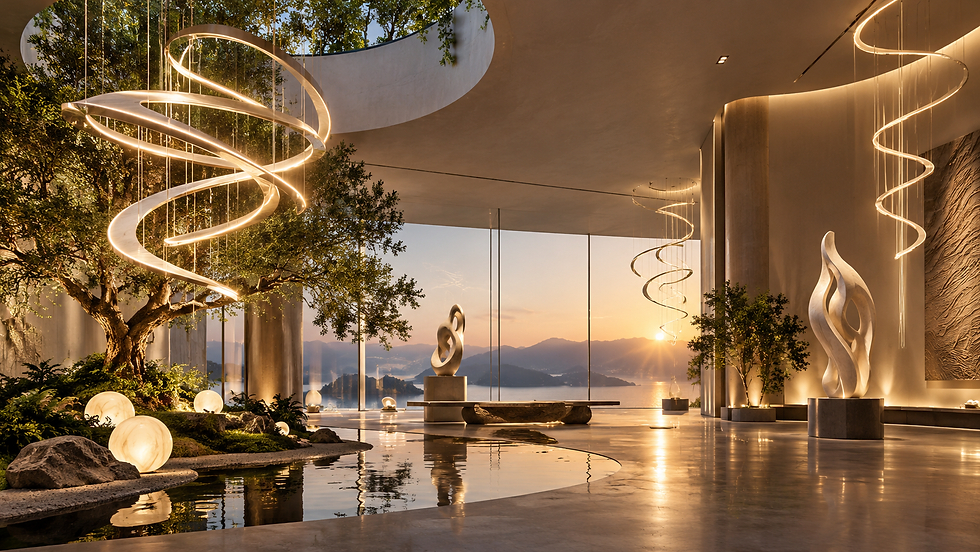
Decorative Lighting Adds Personality
Interior designers often use decorative lighting to introduce character into a space.
A decorative pendant lamp, sculptural floor lamp or elegant table lamp can act almost like a piece of art. These fixtures do more than provide light; they help express the personality of the home.
Decorative lighting can also connect different design elements. A lamp’s shape, material or finish can complement furniture, mirrors, metal details or other accessories within the room.
This is why lighting is often one of the final details that makes an interior feel complete.
Lighting Helps Define Zones
In modern homes, especially open-plan spaces, lighting plays an important role in defining different areas.
A pendant lamp above a dining table can separate the dining area from the living room. A floor lamp beside a sofa can create a relaxing corner. Table lamps on consoles or side tables can highlight smaller zones within a larger room.
This helps create order and structure without adding walls or partitions.
For contemporary interiors, lighting is one of the easiest ways to make an open space feel organised, comfortable and visually balanced.
Designers Use Lighting to Influence Mood
Lighting has a direct effect on atmosphere.
Bright, even lighting can make a room feel energetic and practical, while softer lighting creates comfort and relaxation. This is why designers use different lighting levels depending on the function of each space.
Living rooms and bedrooms often benefit from warmer, softer light. Kitchens and workspaces usually need brighter, more focused illumination. Dining rooms often require a balance between visibility and atmosphere.
By combining different lighting types, designers make rooms adaptable for different times of day and different activities.
Common Lighting Choices Designers Avoid
Interior designers also know what to avoid.
Common mistakes include relying on one overhead light, choosing fixtures that are too small, ignoring dark corners and selecting lighting without considering the room’s proportions.
Another frequent mistake is treating lighting as an afterthought. In professional interior design, lighting is planned alongside furniture, layout and décor.
A thoughtful lighting plan can completely change how a room looks and feels, even without major renovation.
Final Thoughts
Interior lighting design is about much more than brightness. It shapes mood, creates depth, defines spaces and adds personality to the home.
By combining decorative lighting with practical light sources, interior designers can transform ordinary rooms into spaces that feel balanced, welcoming and visually interesting.
At Treviole, we believe that the right combination of pendant lamps, ceiling lamps, floor lamps and table lamps can help every home feel more thoughtfully designed and more enjoyable to live in.


Comments