


How Lighting Colors Influence Mood, Emotion and Everyday Living


Color surrounds us every day, yet most people rarely stop to consider how strongly it influences the way they feel.
What many people don’t realize is that color itself is inseparable from light. Without light, color simply does not exist. Every shade we perceive is the result of light interacting with materials, surfaces and ultimately our eyes and brain.
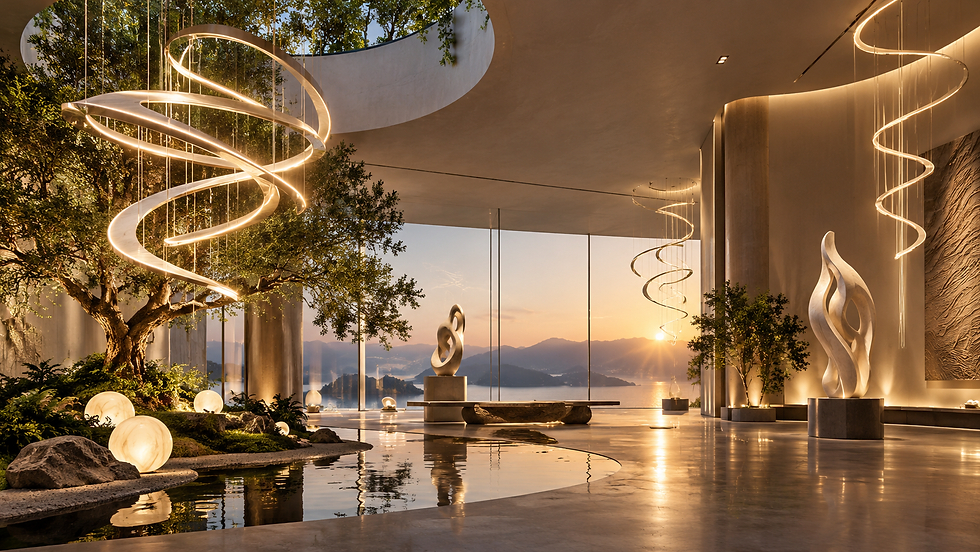
For centuries, artists, architects and designers have understood this relationship. Today, modern lighting design allows us to shape not only how a space looks, but also how it feels.
Why Colors Are More Than What We See
Colors are often associated with emotions, memories and behaviors. While personal experiences play a role, studies in environmental psychology suggest that certain colors tend to evoke similar responses across many people.
Warm tones often create feelings of comfort and energy. Cooler tones are commonly linked to calmness and focus. Neutral shades can promote balance and harmony.
When combined with thoughtful lighting design, these effects become even more noticeable.
The Hidden Relationship Between Light and Emotion
Lighting affects the atmosphere of a room in ways that furniture and decoration alone cannot achieve.
A dining room illuminated with warm amber tones feels welcoming and intimate. A workspace enhanced with cooler blue tones can feel more focused and productive. Soft natural shades may create a stronger connection with nature and wellbeing.
This is why lighting designers increasingly consider emotional experience as part of the design process.
Rather than simply illuminating a space, light can help shape the mood of everyday life.
Relaxation Spa: The Calming Effect of Sage Green
Sage green is often associated with nature, balance and restoration.
Its subtle, organic character creates a soothing atmosphere that encourages relaxation and mental calmness. Spaces enhanced by soft green tones often feel less stressful and more connected to the natural world.
For this reason, sage-inspired lighting environments are particularly suited to bedrooms, wellness areas, reading corners and spaces dedicated to rest.
Energy Vibe: The Positive Impact of Amber Orange
Amber orange introduces warmth, vitality and optimism into an interior.
It recalls the colors of sunrise and sunset, moments naturally associated with energy and positivity. The gentle warmth of amber tones can help make spaces feel more welcoming, social and dynamic.
This atmosphere works particularly well in living rooms, hospitality spaces and areas designed for gathering and interaction.
Elevated Focus: Why Deep Blue Supports Concentration
Deep blue is frequently linked to clarity, stability and mental focus.
Unlike more stimulating colors, blue tones often create a sense of structure and calm thinking. Many professional environments use blue accents because they encourage concentration without creating visual stress.
For home offices, study areas and creative workspaces, blue-inspired lighting atmospheres can contribute to a more productive environment.
Grounded Warmth, Creative Flow and Harmony Feel
Not every mood fits into a single category.
Earth brown tones create a feeling of familiarity, comfort and connection to personal memories. They help spaces feel welcoming and lived-in.
Pastel violet is often associated with imagination, artistic expression and creative thinking. It introduces a subtle sense of curiosity and inspiration without overwhelming the environment.
Sand beige represents balance and harmony. Inspired by natural landscapes, it promotes comfort, simplicity and connection, making it suitable for spaces intended to feel timeless and relaxing.
Choosing the Right Lighting Atmosphere for Your Lifestyle
There is no universal “best” color for every room. The ideal atmosphere depends on how a space is used and how people want to feel within it.
Some moments call for calmness. Others require focus, creativity, energy or connection.
Modern decorative lighting makes it possible to adapt environments to these different
emotional needs. By carefully selecting lighting colors and atmospheres, a home can become more than a collection of rooms—it can become a collection of experiences.
Because ultimately, lighting is not only about seeing better.
It is about feeling better.


Comments