


What Is Layered Lighting and Why Does It Matter? | Treviole
- treviolestudio

- Feb 20
- 3 min read
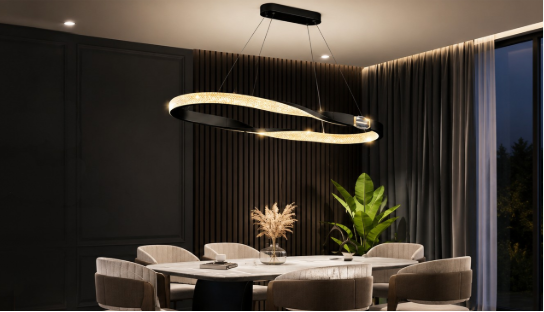
Discover what layered lighting means and why it matters in interior design. Learn how to combine ceiling lamps, pendant lamps, floor lamps and table lamps for a balanced home.
Why Layered Lighting Matters
Layered lighting is one of the most important principles in interior design. Instead of relying on one single light source, it combines different types of lighting to create a room that feels balanced, comfortable and visually interesting.
Many homes depend only on one ceiling lamp to illuminate an entire room. While this may provide basic brightness, it often makes the space feel flat or unfinished. Layered lighting solves this problem by adding depth, warmth and flexibility.
For a decorative lighting brand like Treviole, layered lighting is especially important because it shows how different lighting products can work together. Ceiling lamps, pendant lamps, floor lamps and table lamps each have their own role, and when combined correctly, they can completely transform a space.
The Three Main Layers of Lighting
A successful lighting scheme usually includes three main layers: ambient lighting, task lighting and accent lighting.
Ambient lighting is the general light that allows you to move comfortably through a room. It often comes from ceiling lamps, pendant lamps or other overhead fixtures.
Task lighting is more focused. It supports specific activities such as reading, working, cooking or applying makeup. Floor lamps and table lamps are often used for this purpose because they can direct light exactly where it is needed.
Accent lighting adds mood and character. It highlights special features, creates atmosphere and makes a room feel more complete. Decorative lighting pieces are perfect for this layer because they add both light and style.
When these three layers work together, a room becomes more practical, more comfortable and more attractive.
How Ceiling Lamps Create the Foundation
A ceiling lamp is usually the starting point of layered lighting.
Ceiling lamps provide the main source of illumination and help ensure that a room feels bright enough for daily use. They are especially useful in living rooms, bedrooms, hallways and dining areas where consistent lighting is needed.
Modern ceiling lamps can also add decorative value. Instead of being purely functional, they can introduce shape, texture and style to the space.
However, ceiling lighting alone is rarely enough. To avoid a flat appearance, it should be supported by other light sources such as floor lamps, table lamps or pendant lamps.
Using Pendant Lamps to Define Spaces
Pendant lamps are excellent for creating focal points and defining specific areas within a room.
They are often used above dining tables, kitchen islands, reading corners and entrance areas. Because they hang from the ceiling, they naturally draw the eye and help structure the room visually.
In open-plan homes, pendant lamps are particularly useful. A pendant above the dining table can separate the dining zone from the living area without the need for walls or partitions.
This makes pendant lighting both practical and decorative, helping to improve the flow and atmosphere of modern interiors.
Adding Warmth with Floor Lamps and Table Lamps
Floor lamps and table lamps are essential for creating comfort.
While ceiling lamps and pendant lamps provide structure, smaller lighting sources soften the space and make it feel more welcoming.
A floor lamp placed beside a sofa or armchair can create a relaxing corner for reading or conversation. A table lamp on a side table, console or bedside cabinet adds a warm glow that makes the room feel more intimate.
These lamps also introduce decorative details. Their shapes, materials and finishes can complement furniture and accessories, helping the overall interior feel more complete.
Common Layered Lighting Mistakes to Avoid
One of the most common mistakes is using only one overhead light. This can make a room appear harsh, flat or cold.
Another mistake is choosing lamps without considering how the room is used. A living room, for example, needs flexible lighting for relaxing, entertaining and everyday activities. A bedroom may require softer lighting that supports rest and comfort.
It is also important to consider scale. Lamps that are too small can feel lost in a large room, while oversized fixtures may overwhelm a compact space.
The best approach is to combine different lighting types thoughtfully so that each one has a clear purpose.
Final Thoughts
Layered lighting matters because it changes the way a room looks and feels. By combining ceiling lamps, pendant lamps, floor lamps and table lamps, you can create a space that is practical, stylish and comfortable.
Rather than treating lighting as an afterthought, consider it an essential part of interior design. The right combination of decorative lighting can add warmth, structure and personality to any room.
At Treviole, we believe that beautiful lighting should not only brighten a space but also improve the way people experience it every day.


Comments